

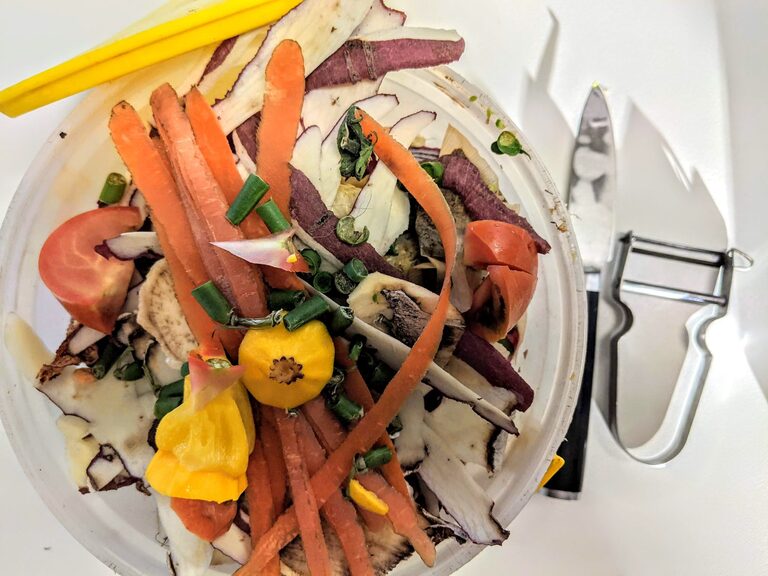
Reducing food waste at home is a powerful way to save money, conserve resources, and promote sustainability. Many households discard perfectly good food due to improper storage, overbuying, or simply forgetting leftovers in the fridge. Fortunately, simple habits and mindful planning can make a big difference. In this post, we’ll explore practical ways to reduce food waste, helping you make the most out of the food you buy.
Why Reducing Food Waste Matters
Before diving into tips, it’s helpful to understand why food waste is a concern. Wasted food not only means lost money but also wasted water, energy, and labor used to produce, transport, and store it. Additionally, food scraps in landfills produce methane, a potent greenhouse gas. By reducing food waste at home, you contribute to a healthier planet and strengthen your household budget.
Plan Your Meals Thoughtfully
Create a Weekly Meal Plan
Planning meals ahead reduces impulse purchases and excess food. Before shopping, list your meals for the week and check what ingredients you already have. This way, you buy only what you need.
Shop with a List
Using a shopping list based on your meal plan helps avoid buying duplicates or unnecessary items. Stick to your list while at the store to keep your cart focused and waste minimal.
Smart Grocery Shopping
Buy in Appropriate Quantities
Consider the size of your household and your eating habits. Buying bulk is convenient but only if you can use the food before it spoils. For perishable items, smaller amounts might be better.
Choose Fresh and Seasonal Produce
Seasonal fruits and vegetables tend to last longer and are fresher. Look for produce that is firm and free from bruises or cuts, which can cause premature spoilage.
Store Food Properly
Understand Storage Needs
Different foods require different conditions. For instance, some fruits like apples store well in the fridge, while others like bananas do better at room temperature. Keep herbs fresh by trimming their ends and storing them in water, similar to flowers.
Use Clear Containers
Transfer leftovers and opened packages into transparent containers. This makes it easier to see what you have and reminds you to use items before they spoil.
Label and Date Food
Write the date when you store leftovers or open packages. This helps track freshness and prevents forgotten food from going bad.
Use Leftovers Creatively
Repurpose Meals
Leftovers don’t have to be boring. Turn grilled vegetables into a hearty soup or use extra rice in stir-fries or salads. Get creative with recipes to avoid tossing food.
Freeze Excess Food
Freezing is a great way to extend the shelf life of cooked and raw foods. Portion meals before freezing to make reheating easier and reduce waste.
Practice Portion Control
Serve Smaller Amounts
Start with smaller portions to avoid uneaten food on plates. People can always take seconds if still hungry.
Be Mindful While Cooking
Adjust recipes based on the number of people eating to reduce excess.
Compost Food Scraps
Why Compost?
Even with careful planning, some food scraps are unavoidable. Composting turns organic waste into nutrient-rich soil, reducing landfill waste and supporting garden health.
How to Start Composting
You can compost kitchen scraps such as vegetable peels, coffee grounds, and eggshells in a backyard compost bin or use a worm composting system indoors.
Monitor Your Food Waste
Keep a Food Waste Log
Track what types of food you waste most often. This awareness helps adjust shopping and cooking habits.
Adjust Shopping Habits Accordingly
If certain items frequently go unused, consider buying less or finding new ways to use them.
Educate and Involve Household Members
Share Tips
Discuss food waste with everyone in your home. Encourage mindful consumption and proper storage.
Make It a Family Activity
Involve kids in meal planning, cooking, and composting. This fosters responsibility and awareness from an early age.
—
By adopting these simple strategies, you can significantly reduce food waste in your home. It not only benefits your budget but also supports a more sustainable lifestyle. Start small, stay consistent, and enjoy the positive impact you create.